
The security-first consumer: What users look for in trusted digital payment systems
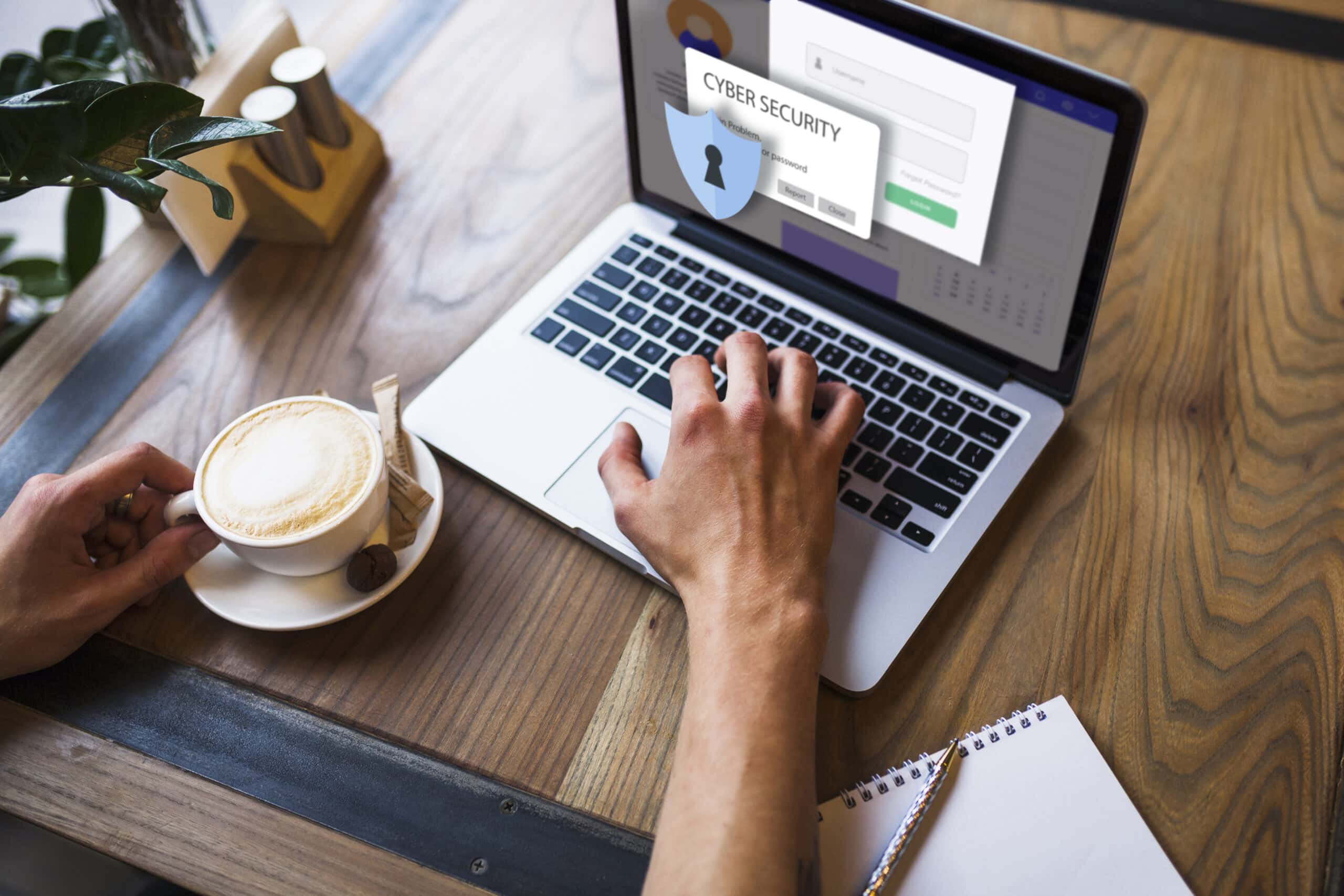
Image from: Freepik
The digital landscape has shifted. As daily routines, from grocery runs to professional networking, migrate to the cloud, the way money moves has been forced to adapt. Today’s consumer isn’t just tech-savvy; they have become “security-first.” With cyber threats growing more sophisticated by the day, the decision to use a digital platform now hinges less on convenience and more on a rigorous, often split-second evaluation of trust.
The rise of the vigilant digital consumer
Modern users understand the value of their personal data better than ever. High-profile breaches and relentless phishing schemes have turned the average internet user into a cautious digital citizen. This vigilance peaks during financial transactions. Whether settling a utility bill or signing up for a new digital subscription, people now scan for specific visual and technical cues before hitting “submit.”
This demand for safety has forced businesses across every sector to overhaul their data practices. A security-conscious consumer will abandon a shopping cart or a registration form in seconds if a payment gateway feels “off” or outdated. In the current global economy, trust has effectively become the primary currency.
What actually makes a payment system trusted?
A functional “pay” button isn’t enough to earn trust anymore. Beyond the tech, a system needs to provide immediate psychological safety through a few non-negotiable cues.
-
The “padlock” and privacy: Most people can’t explain SSL certificates, but they instinctively look for the padlock icon. It’s universal shorthand. By scrambling data during transit, encryption keeps sensitive financial details away from anyone trying to intercept them.
-
Layered security: One password isn’t enough. Most users now expect, and prefer, a second layer, like a quick SMS code or a biometric scan. This isn’t seen as a hassle; it’s a mandatory protective barrier that offers massive peace of mind.
-
Clear policies: Trust is won or lost in the fine print. People want to know exactly where their data goes. A system with straightforward, readable privacy policies feels more reliable than one hidden behind dense legal jargon.
-
The “anxiety gap”: There is a stressful silence between clicking “pay” and seeing a confirmation. Systems that bridge this gap with instant push notifications or email receipts provide the final proof a user needs that the system worked as intended.
Reliability across different digital habits
As digital habits expand, users are engaging with a more diverse ecosystem of platforms than ever before. This spectrum ranges from high-stakes professional environments like Microsoft Azure or LinkedIn Learning to personal lifestyle and recreation services. Whether a user is managing enterprise data on a SaaS portal or seeking interactive entertainment on platforms like Spin Casino, the baseline expectation for a secure financial environment remains absolute. The ‘intent’ of the session, be it a business expense or a leisure activity, does not change the user’s risk threshold; the preference consistently leans toward established brands that demonstrate a clear commitment to regulatory compliance and data integrity.
The weight of reputation
Beyond the technical backend, the modern consumer relies heavily on social proof. Before committing to a new service, most people perform a quick mental audit of a platform’s history. Online reviews, social media feedback, and industry certifications play a massive role in whether a transaction actually happens.
Reliability is also defined by how a company handles the inevitable hiccup. A platform with responsive support and a clear path for resolving disputes will always retain users longer than one with a disconnected or automated support system. Ultimately, a company’s willingness to stand behind its transaction process is a direct reflection of its integrity.
The next frontier of trust
Looking forward, the use of artificial intelligence in fraud detection is becoming a standard. AI can spot unusual spending patterns in real-time, often flagging a problem before the user even knows their account is at risk. Additionally, as blockchain technology matures, we may see a shift toward even more transparent transaction ledgers.
The takeaway for digital service providers is simple: security isn’t a “bonus feature”; it’s the foundation. As the world becomes more interconnected, loyalty will belong to the platforms that guard user privacy as fiercely as their own bottom line.


