
Oct. 16, 1907: First session of PH Commission, Assembly commences
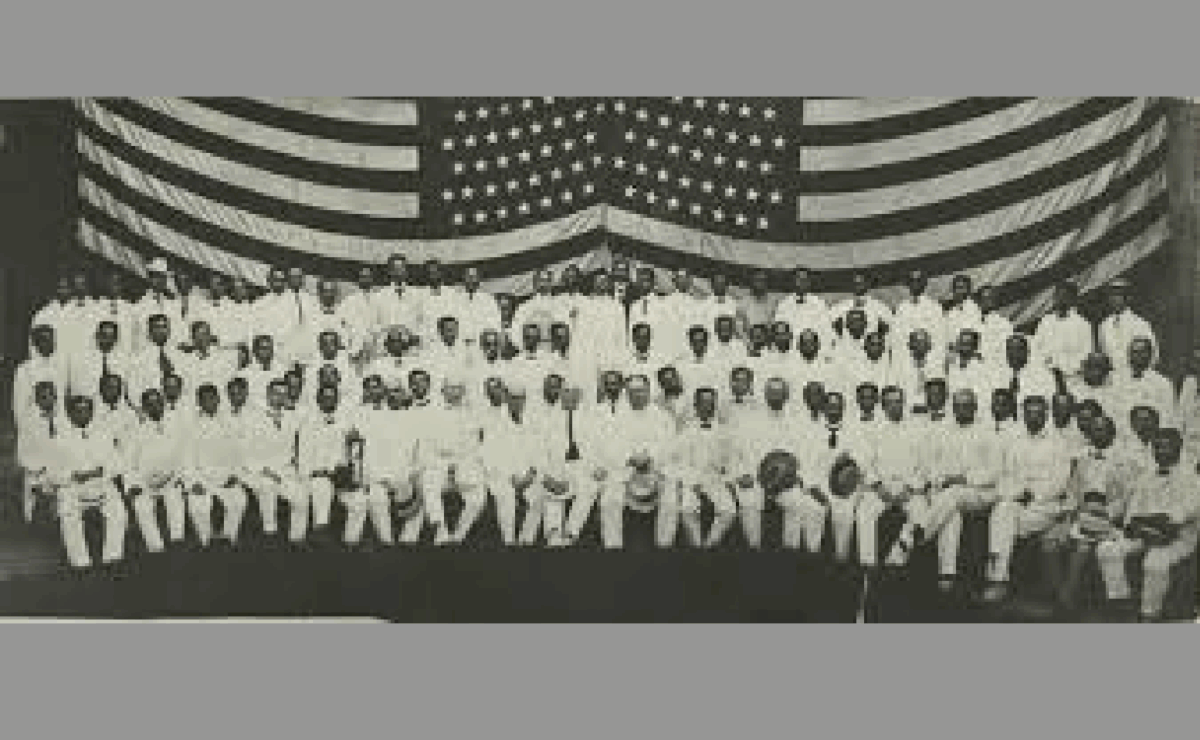
Members of the 1907 Philippine Assembly | Photo from Wikimedia.
Only five years after the end of the Philippine-American War in 1902, the United States was granting significant Filipino participation in the government of the American colony. The first session of the Bicameral Philippine Commission and the Philippine Assembly convened on Oct. 16, 1907, in Manila.
The Philippine Assembly, also known as the Lower House of Representatives, was composed of 80 Filipino members. The members were elected to serve a specific term. The speaker of the Assembly was Sergio Osmena. The majority leader was Manuel Quezon. These two talented and crafty leaders continued during the next 35 years in gaining political power for the Philippines and for themselves.
The Philippine Commission, which was also known as the Upper House of Representatives, was composed of nine Americans. The Head of the Commission was James Francis Smith. He was appointed by President Theodore Roosevelt of the United States.
The 1907 Philippine Commission was also known as the Taft Commission. Governor-General William Howard Taft had replaced the first Philippine Commission after he arrived in the Philippines in 1900. Governor-General Taft eventually replaced the American military control in the Philippines under General Arthur MacArthur. The United States military was now under civilian oversight. General Arthur MacArthur was the father of General Douglas MacArthur of World War II fame.
William Howard Taft had a substantial influence on Filipinos obtaining political control throughout the islands. Although Taft was assigned to the Philippines for only several years, his impact lasted for decades. After leaving the Governor-General position in the Philippines, he served as the United States Secretary of War, President of the United States and Chief Justice of the US Supreme Court.
The first session of the Philippine Commission and the Philippine Assembly on Oct. 16, 1907, was very productive. The legislators were able to secure funding for barrio schools. There was a tremendous demand for elementary schools. The Thomasites (American teachers in the Philippines) had imparted the value of education. The barrios needed more educated Filipino teachers.
The first session was also able to gain funding for higher education. The University of Philippines (UP) was inaugurated in 1908 as a flagship institution for public higher education. Many of the UP graduates secured positions in national. provincial and local government and eventually replaced the American government workers.
Dennis Edward Flake is the author of three books on Philippine-American history. He is a Public Historian and a park ranger in interpretation for the National Park Service at the Eisenhower National Historic Site in Gettysburg, PA. He can be contacted at: [email protected]


