
Advertorial or Sponsorship User published Content does not represent the views of the Company or any individual associated with the Company, and we do not control this Content. In no event shall you represent or suggest, directly or indirectly, the Company's endorsement of user published Content.
The company does not vouch for the accuracy or credibility of any user published Content on our Website and does not take any responsibility or assume any liability for any actions you may take as a result of reading user published Content on our Website.
Through your use of the Website and Services, you may be exposed to Content that you may find offensive, objectionable, harmful, inaccurate, or deceptive.
By using our Website, you assume all associated risks.This Website contains hyperlinks to other websites controlled by third parties. These links are provided solely as a convenience to you and do not imply endorsement by the Company of, or any affiliation with, or endorsement by, the owner of the linked website.
Company is not responsible for the contents or use of any linked website, or any consequence of making the link.
Cooking with cannabis: The new culinary trend taking American kitchens by storm
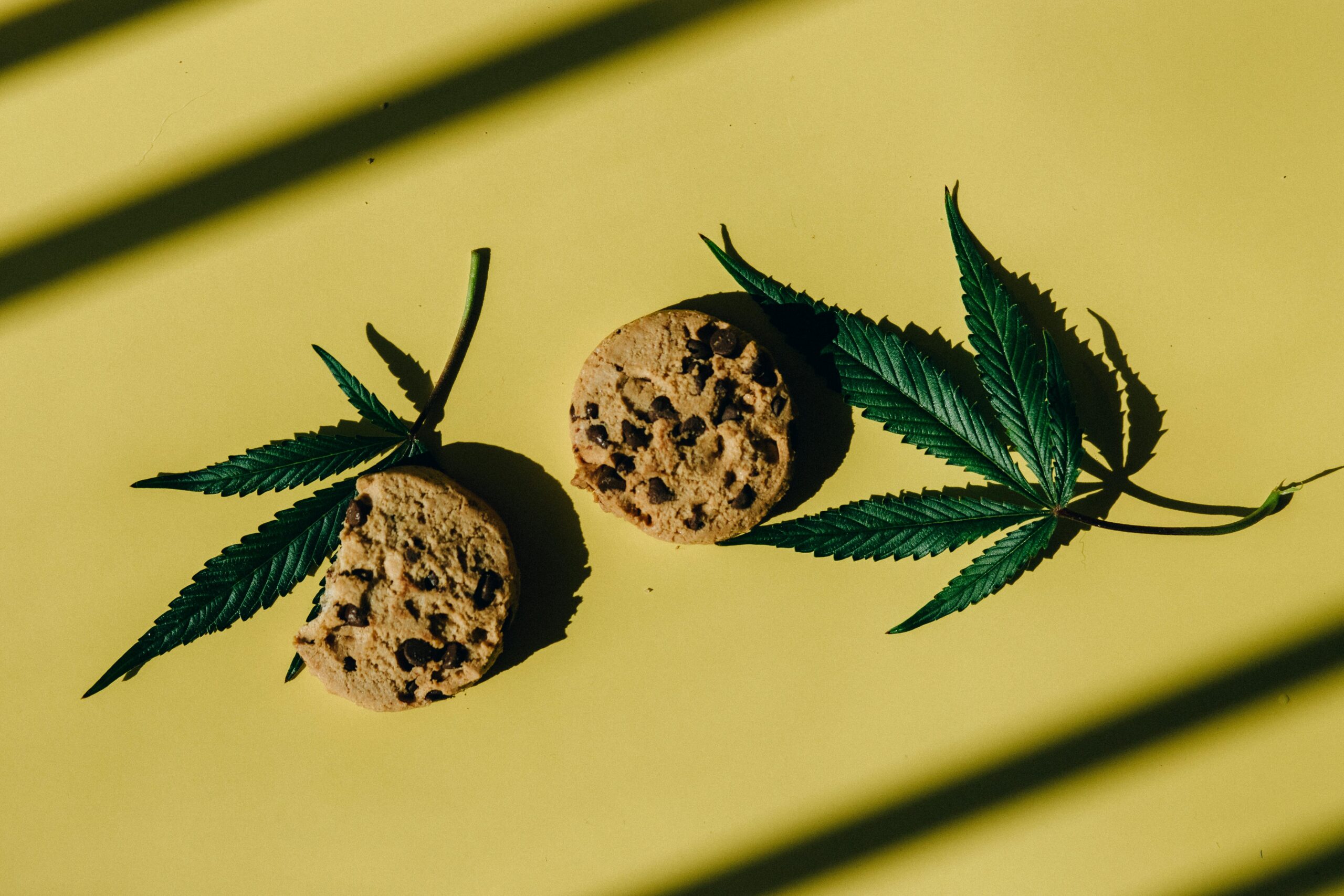
Photo by Nataliya Vaitkevich from Pexels
Picture this: You’re at a dinner party expecting pasta and wine. Instead, you get a three-course meal where the salad dressing, main course glaze and dessert all have something extra. The hostess mentions it while serving dessert everything has been infused with cannabis.
Five years ago, that would have been weird. Today, it’s becoming common across America. Cannabis cooking has evolved far beyond college dorm brownies into something closer to real culinary preparation.
The big shift
Cannabis cooking used to mean one thing: questionable brownies that either did nothing or knocked you out for the weekend. There was no middle ground.
That changed when states began legalizing cannabis and companies started making products specifically for cooking. Instead of trying to figure out homemade cannabis butter that tasted terrible, people could buy measured ingredients that worked consistently.
The food world noticed. Chefs experimented. Food bloggers posted recipes. Cooking shows aired episodes about cannabis techniques. Your mom probably saw something about it on Facebook.
Products like natural THC syrups from Hometown Hero show how far things have come. They are essentially agave syrup with precisely measured cannabis added. A small spoon allows precise dosing, just like vanilla extract. No guessing, no strange flavors, no waiting hours to see if it was too strong.
The whole approach shifted. People started treating cannabis like any other ingredient. Measure it properly, understand what it does and use it to enhance the meal rather than dominate it.
Professional chefs have discovered that different cannabis varieties have distinct flavors. Some are earthy and herbal. Others are citrusy or floral. They work with food flavors instead of fighting against them.
What people cook
The variety surprised many. Cannabis honey for morning tea. Marinades for barbecue that leave everyone relaxed and chatty. Dinner party desserts that mellow guests an hour later.
Breakfast became popular for cannabis experiments. People add small amounts to smoothies or drizzle cannabis syrup over pancakes. The idea is starting the day with intention, not getting too high before work.
Beverages took off in a big way. Cannabis cocktails and mocktails let people socialize without alcohol hangovers. Home bartenders make sophisticated drinks that provide relaxation without next-day regret.
Most people aren’t trying to get completely stoned anymore. They want to feel good, enhance their meal experience and maybe sleep better later. It’s about adding something pleasant, not overwhelming the evening.
The new tools
Cannabis cooking requires more precision than regular cooking. Doses can’t be eyeballed the way you might with salt or pepper.
Digital scales became essential. Tiny spoons allow for small doses. Temperature-controlled devices preserve potency during cooking.
The ingredients have also improved. Cannabis oils are available in different strengths and flavor profiles. Water-soluble powders mix into liquids without leaving oily residue.
Fast-acting products solved the biggest timing problem. Old edibles could take hours to work, leading people to eat more than intended. New formulations take effect in 15 to 30 minutes, making it easier to gauge effects during the meal.
Why it caught on
Dinner parties featuring cannabis menus became alternatives to wine tastings for people who want to relax without alcohol. The wellness angle appeals to health-conscious people looking for natural stress relief.
Restaurants have been slower to adapt. Most cannot legally serve cannabis food, but private dining experiences and supper clubs offer it. Food festivals in legal states now feature cannabis cooking demos alongside traditional ones.
The precision cannabis cooking requires also improves general cooking skills. When you need exact measurements and understand how methods affect potency, you become more attentive to technique and timing.
The challenges
Cannabis cooking comes with complications. Laws vary widely by state, making it impossible for many Americans to participate. Even in legal states, regulations on home preparation and sharing can be confusing.
Dosing remains the biggest challenge for newcomers. Unlike regular seasonings, where too much ruins flavor, too much cannabis can ruin the entire evening. Experts recommend starting small and gradually increasing.
Kitchen safety requires new habits. Cannabis products must be handled and stored carefully, especially in homes with children or pets.
Cost is another issue. Quality cannabis ingredients often cost far more than regular cooking supplies, making cannabis cooking more of a treat than a daily practice.
Conclusion
Personalized wellness trends suggest cannabis cooking will become more tailored to individual needs. Some use it for better sleep, others for creativity and others simply for relaxation.
What began as rebellious experimentation has evolved into a genuine culinary movement that combines innovation, wellness and social connection.
Disclaimer: For informational purposes only
This article is intended for informational and educational purposes only. It does not constitute medical, legal or professional advice. Cannabis laws vary by country, state and local jurisdiction. Always ensure you are in compliance with applicable laws before purchasing, possessing or cooking with cannabis.
This content is not intended to encourage illegal activity or replace professional medical guidance. Consult with a licensed physician before consuming cannabis, especially if you are pregnant, nursing, taking medications or have medical conditions.


